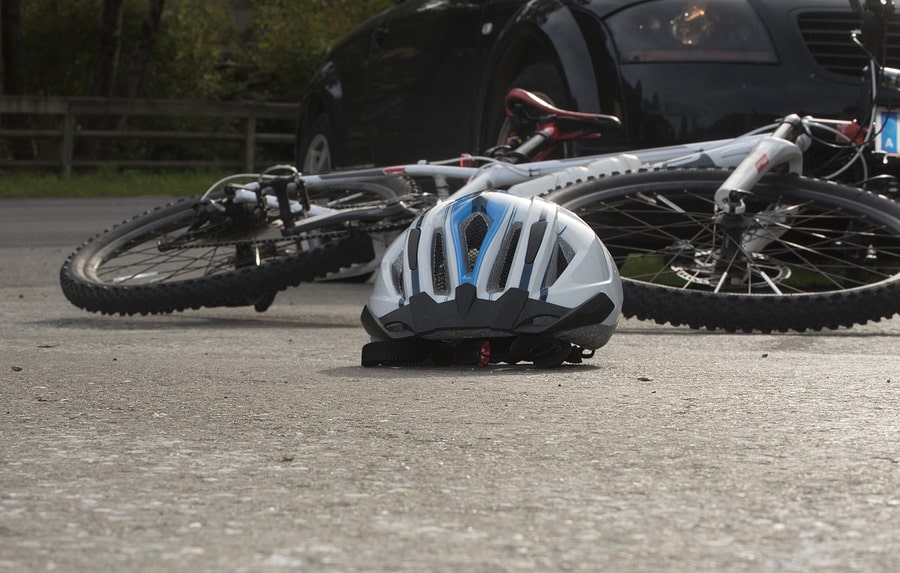
Harlingen’s growing network of bike lanes and the Valley’s warm weather make cycling popular—but Texas roads remain dangerous for bicyclists. When a car strikes a cyclist, the injuries are often catastrophic. If you or a loved one was hit while riding a bike in Harlingen, Cameron County, or anywhere in the Rio Grande Valley, you need a Harlingen bicycle accident lawyer who knows how to hold negligent drivers accountable. Kenny Perez Law has recovered over $75 million for injured Texans, and we’ve successfully represented cyclists who suffered life-changing injuries because a driver wasn’t paying attention.
Kenny Perez isn’t just a personal injury attorney—he’s a Brownsville native who grew up in the Valley and understands the unique challenges cyclists face on South Texas roads. From distracted drivers on Business 77 to dangerous intersections near Valley Baptist Hospital, we know where accidents happen and why. With 300+ five-star Google reviews and a track record of major recoveries against insurance companies, Kenny Perez Law stands ready to fight for every dollar you’re owed. Call (956) 305-5349 today for a free consultation—you pay nothing unless we recover compensation for your injuries.
On This Page:
- Why bicycle accidents happen in Harlingen
- What to do after being hit
- Building your injury claim
- Negotiating your settlement
- Common cyclist injuries
- Texas bicycle laws
- Insurance company tactics
- What your case may be worth
- Frequently asked questions
- Why choose Kenny Perez Law
Why Bicycle Accidents Happen in Harlingen

Harlingen sees bicycle accidents on major corridors like Business 77, Ed Carey Drive, and Loop 499, as well as residential neighborhoods where drivers don’t expect cyclists. While Texas law gives bicyclists the same rights to the road as motor vehicles, many drivers fail to respect these rights—and cyclists pay the price.
Common Causes of Harlingen Bicycle Crashes:
Distracted Driving: Drivers texting, adjusting their GPS, or eating while behind the wheel don’t see cyclists until it’s too late. On busy Harlingen streets with bike lanes like Morgan Boulevard or Sunshine Strip Boulevard, a moment of inattention can result in a devastating collision.
Failure to Yield: Drivers frequently turn right without checking for cyclists in the bike lane, or they pull out of driveways and parking lots directly into a cyclist’s path. These “right hook” and “left cross” accidents are among the most common—and most dangerous.
Dooring Accidents: When someone opens a car door into a bike lane without looking, cyclists have no time to react. These crashes often throw riders into traffic or cause serious head injuries.
Speeding and Reckless Driving: Drivers who exceed speed limits or weave through traffic create hazards for vulnerable road users. On roads like Harrison Avenue or Tyler Avenue, speeding drivers leave cyclists with nowhere to escape.
Drunk or Drugged Driving: Impaired drivers have slower reaction times and impaired judgment, making them far more likely to strike cyclists—especially during evening hours.
Poor Road Conditions: Potholes, uneven pavement, construction zones, and inadequate signage can force cyclists into traffic lanes or cause them to lose control. When poor road maintenance contributes to an accident, government entities may share liability.
No matter how careful you are as a cyclist, you can’t control what drivers do. When their negligence causes your injuries, you have the right to hold them accountable.
What to Do After Being Hit by a Car on Your Bike
The moments after a bicycle accident determine both your health outcomes and the strength of your legal claim. Follow these steps to protect yourself:
1. Call 911 Immediately
Even if you feel “okay,” call the police and request an ambulance. Adrenaline masks pain, and many cycling injuries—including concussions, internal bleeding, and fractures—aren’t immediately obvious. A police report documents the crash and establishes a record of what happened.
2. Get Medical Attention Right Away
Go to the emergency room at Valley Baptist Medical Center-Harlingen, Harlingen Medical Center, or another facility. Some cyclists decline ambulance transport to save money—don’t make this mistake. Insurance companies use delayed treatment as evidence that you weren’t seriously hurt.
3. Document Everything at the Scene
If you’re physically able:
- Take photos of the crash scene, your bike, your injuries, and the vehicle that hit you
- Get the driver’s name, insurance information, license plate, and contact details
- Collect contact information from witnesses
- Note road conditions, traffic signals, bike lane markings, and any visible hazards
4. Do NOT Apologize or Admit Fault
Texas is a modified comparative fault state. If you’re found more than 50% at fault, you recover nothing. Even saying “I’m sorry” can be twisted by insurance adjusters to suggest you caused the crash. Be polite but say as little as possible about how the accident happened.
5. Preserve Evidence
Don’t repair or dispose of your damaged bicycle—it’s evidence. Keep your helmet, clothing, and any equipment from the crash. Take photos of visible injuries as they develop (bruising, swelling, road rash).
6. Contact a Harlingen Bicycle Accident Lawyer Before Talking to Insurance
The at-fault driver’s insurance company will contact you quickly, often within 24 hours. They’ll sound sympathetic and ask for a recorded statement. Don’t give one. Their goal is to get you on record saying something they can use to deny or minimize your claim. Call Kenny Perez Law first—we’ll handle all communication with insurers while you focus on healing.
Common Injuries in Harlingen Bicycle Accidents

When a 4,000-pound vehicle strikes a cyclist, the results are often catastrophic. Unlike drivers protected by airbags and crumple zones, cyclists have only a helmet—and sometimes not even that.
Head and Brain Injuries: Traumatic brain injuries (TBI) are among the most serious cycling injuries. Even with a helmet, the force of impact can cause concussions, skull fractures, and permanent cognitive damage. If you hit your head in the crash, immediate medical evaluation is critical. Learn more about traumatic brain injury claims.
Spinal Cord Injuries: The impact of being thrown from a bike can fracture vertebrae or damage the spinal cord, resulting in partial or complete paralysis. These injuries require extensive medical treatment and often leave victims permanently disabled.
Broken Bones and Fractures: Cyclists commonly suffer broken collarbones, wrists, arms, legs, ribs, and pelvises. Compound fractures may require surgical repair with pins, plates, or rods. Recovery can take months and may prevent you from returning to your previous employment.
Road Rash and Soft Tissue Injuries: Sliding across pavement strips away skin, leaving painful abrasions that are prone to infection. Deep road rash may require skin grafts. Ligament and tendon damage in shoulders, knees, and ankles can limit mobility long after the accident.
Internal Injuries: Blunt force trauma can cause internal bleeding, organ damage, or ruptured spleens. These injuries are medical emergencies that may not be immediately apparent.
Facial and Dental Injuries: Cyclists who go over the handlebars often suffer facial fractures, eye injuries, broken teeth, and jaw damage requiring reconstructive surgery.
Psychological Trauma: Many crash victims develop PTSD, anxiety about riding or being near traffic, and depression related to their injuries and lifestyle changes. Mental health treatment is a compensable damage in your claim.
The severity of cyclist injuries means medical bills quickly reach tens or hundreds of thousands of dollars—and that’s before accounting for lost wages, future care needs, and pain and suffering.
Texas Bicycle Laws and Your Rights as a Cyclist
Understanding Texas law is critical to your claim. Many drivers—and even some insurance adjusters—wrongly believe cyclists “shouldn’t be on the road.” That’s false.
Texas Transportation Code Section 551.101 states that bicyclists have the same rights and duties as motor vehicle operators. You have the right to use the road, and drivers must treat you as they would any other vehicle.
Key Texas Bicycle Laws:
Right to the Road: Cyclists may use the full lane when necessary for safety, when passing, when avoiding hazards, or when the lane is too narrow to share safely with a motor vehicle.
Bike Lane Rules: Where bike lanes exist, cyclists should use them—but drivers are prohibited from driving, parking, or standing in bike lanes except when entering or leaving the roadway or making a turn.
Passing Distance: Texas law requires drivers to pass cyclists at a safe distance. While the statute doesn’t specify a minimum distance, many Texas cities (including some in the Valley) have adopted three-foot passing ordinances.
Lighting Requirements: Bicycles ridden at night must have a white front light visible from 500 feet and a red rear reflector or light visible from 300 feet.
Helmet Laws: Texas has no statewide helmet requirement for adult cyclists, though helmets significantly reduce head injury risk. Riders under 18 in some cities may be required to wear helmets.
Right Hook and Left Cross Liability: Drivers who turn across a cyclist’s path without yielding are at fault, even if the cyclist was in a bike lane or on the shoulder.
When drivers violate these laws and injure you, they’re liable for your damages. Kenny Perez Law uses traffic code violations to build powerful cases showing clear driver negligence.
What Compensation Can You Recover After a Harlingen Bike Crash?
Texas law allows injured cyclists to recover both economic and non-economic damages from the at-fault driver.
Economic Damages (Calculable Financial Losses):
Medical Expenses: All treatment costs from the accident—emergency room, hospitalization, surgery, medication, physical therapy, medical equipment, and future care needs. For catastrophic injuries, this can exceed $1 million.
Lost Wages: Compensation for time missed from work during recovery, including sick leave, vacation time, and unpaid leave.
Lost Earning Capacity: If your injuries prevent you from returning to your previous job or reduce your earning potential, you can recover the difference between what you would have earned and what you can now earn.
Property Damage: Repair or replacement cost of your bicycle and damaged equipment (helmet, clothing, cycling computer, etc.).
Non-Economic Damages (Subjective Losses):
Pain and Suffering: Compensation for physical pain, discomfort, and reduced quality of life caused by your injuries.
Mental Anguish: Damages for emotional distress, anxiety, PTSD, depression, and fear resulting from the crash and its aftermath.
Disfigurement and Scarring: Permanent scars, road rash scars, and visible injuries that affect your appearance.
Loss of Enjoyment of Life: Compensation when injuries prevent you from participating in activities you previously enjoyed—including cycling itself.
Physical Impairment: Damages for permanent disability or reduced physical function.
Texas has no damage caps on most personal injury cases, meaning your recovery depends on the severity of your injuries and the skill of your attorney in presenting your case.
If the Driver Who Hit You Was Uninsured: Many Valley drivers lack proper insurance. If you were hit by an uninsured or underinsured driver, you may still recover through your own uninsured/underinsured motorist (UM/UIM) coverage. Kenny Perez Law fights these claims aggressively, even when it means going against your own insurance company. Learn more about hit and run accidents and uninsured drivers.
How Insurance Companies Try to Deny Bicycle Accident Claims

Insurance adjusters know that juries sometimes harbor bias against cyclists, wrongly viewing them as reckless or somehow “asking for it” by being on the road. They exploit these biases to pay less than your claim is worth.
Common Insurance Company Tactics:
Blaming the Cyclist: Adjusters will claim you were riding unsafely, not wearing a helmet, or violating traffic laws—even when the evidence shows otherwise. They’ll argue you should have been on the sidewalk (which is often illegal) or shouldn’t have been on the road at all.
Downplaying Injuries: They’ll argue that cyclists should expect injuries and that your damages aren’t as serious as you claim. They may hire doctors who minimize your injuries or claim your condition was pre-existing.
Quick Settlement Offers: Within days of the crash, they’ll offer a small check to “help with immediate expenses” in exchange for signing a release. Once you sign, you can’t pursue additional compensation—even if you later discover more serious injuries.
Delay Tactics: They’ll drag out the investigation, request unnecessary documentation, and hope you become desperate enough to accept a low offer.
Recorded Statements: They’ll ask you to give a recorded statement “just to get the facts,” then use your words against you. They may ask leading questions designed to get you to admit partial fault.
Surveillance: In larger claims, insurance companies may hire investigators to follow you, hoping to catch video of you doing something inconsistent with your claimed injuries.
Kenny Perez Law knows these tactics because we’ve fought them in hundreds of personal injury cases. We build strong cases backed by evidence—crash reconstruction, medical expert testimony, witness statements, and documentation showing the full extent of your losses. We don’t let insurance companies bully our clients into accepting less than they deserve.
Texas Comparative Fault and Your Bicycle Accident Claim
Texas follows a modified comparative fault rule under Texas Civil Practice and Remedies Code Section 33.001. This means:
- You can recover compensation even if you were partially at fault for the accident
- Your recovery is reduced by your percentage of fault
- If you are 51% or more at fault, you recover nothing
Example: You’re hit by a driver who ran a stop sign, but you were riding without a rear light at dusk. A jury might find you 20% at fault and the driver 80% at fault. If your damages total $100,000, you’d recover $80,000 (reduced by your 20% fault).
Insurance companies inflate your percentage of fault to reduce what they pay. That’s why you need an attorney who aggressively challenges these arguments and presents evidence showing the driver’s negligence was the primary cause of the crash.
Why Choose Kenny Perez Law for Your Harlingen Bicycle Accident Case

Cycling accidents aren’t just another fender bender—they’re life-altering events that require aggressive legal representation. Here’s why injured Harlingen cyclists trust Kenny Perez Law:
Proven Track Record: Kenny Perez has recovered over $75 million for injured Texans, including substantial settlements for cyclists struck by negligent drivers. We’ve taken on major insurance companies and won.
Rio Grande Valley Roots: Kenny grew up in Port Isabel and knows Harlingen’s roads, hospitals, and community. We’re not out-of-town lawyers who fly in for depositions—we’re your neighbors, and this is our home.
300+ Five-Star Google Reviews: We’re the most-reviewed personal injury firm in the Rio Grande Valley because we treat every client like family. Our clients know we fight for them.
Bilingual Representation: Kenny Perez and his staff speak Spanish fluently. You’ll communicate in the language you’re most comfortable with—no barriers, no misunderstandings. Hablamos español.
No Fee Unless We Win: We work on contingency, meaning you pay nothing upfront and owe nothing unless we recover compensation for you. You can afford the same quality representation as a Fortune 500 company.
Personalized Attention: You’re not a case number to us. Kenny Perez personally handles serious injury cases, and you’ll have direct access to your legal team throughout the process.
Resources to Fight: Bicycle accident cases often require accident reconstruction experts, biomechanical engineers, and medical specialists. We have the resources to hire the best experts and build the strongest possible case.
Trial-Ready Advocacy: While many cases settle, insurance companies pay more when they know your lawyer will go to trial if necessary. Kenny Perez is an experienced trial attorney who isn’t afraid of the courtroom.